Understanding Counterfeit Money and the Risks Involved in Ordering It
The counterfeiting of currency has a long history, intertwined with the development of monetary systems worldwide. As technology has advanced, so have the approaches used by counterfeiters. While Amy Huff might be appealing for people or services to explore avenues to get counterfeit money, comprehending the intricacies and repercussions is essential. This short article offers an informative introduction of counterfeit money, the unlawful nature of buying it, and the ramifications for those who engage in this activity.
What is Counterfeit Money?
Counterfeit money describes currency that is produced without legal sanction and is developed to imitate legitimate currency, with the intent of utilizing it to deceive individuals and businesses. The development and use of counterfeit currency have serious legal ramifications in almost every country, resulting in substantial charges for those included.
Qualities of Counterfeit Currency
Counterfeit money can possess numerous functions that enable it to pass as real currency. Understanding these can help individuals and organizations recognize fake expenses. Some typical characteristics consist of:
- Similar Appearance: Counterfeit bills frequently imitate the design, color, and other visual features of genuine currency.
- Modified Materials: Counterfeiters might use various kinds of paper or inks that lack the distinct qualities of real money.
- Security Features: While some counterfeit expenses might try to replicate security procedures (e.g., watermarks, security threads), these functions generally lack the elegance of authentic posts.
Why People May Seek Counterfeit Money
There are various reasons people may think about buying counterfeit money, consisting of:
- Financial Gain: Some might think they can prevent paying legitimate money for items or services.
- Deceitful Activities: Individuals associated with plans like frauds or drug trafficking might seek counterfeit currency as a means to avert detection.
- Lack of knowledge of the Law: Some might not totally comprehend the severe legal ramifications of engaging in such activities.
The Legal Implications of Ordering Counterfeit Money
One of the most crucial elements of counterfeit currency is the legal implications of its usage or circulation. Purchasing counterfeit money is a federal criminal offense in many countries, consisting of the United States. Here's why individuals should reconsider before even considering it:
- Severe Penalties: Engaging in counterfeiting can result in heavy fines and prolonged imprisonment. In the United States, for instance, penalties can vary from fine amounts to 20 years in prison, depending on the intensity of the offense.
- Crook Record: A conviction related to counterfeit currency can lead to an irreversible criminal record, impacting work opportunities, housing applications, and more.
- Loss of Assets: Law enforcement companies can seize assets believed to be linked to prohibited activities, including money, lorries, and residential or commercial property.
Risks Associated with Counterfeit Money
In addition to legal repercussions, those who look for counterfeit currency face several other substantial threats:
- Financial Loss: Counterfeit money is basically useless, suggesting any deals including it will cause monetary loss for the specific attempting to use it.
- Deception and Trust Issues: Being caught with counterfeit currency can result in major trust and credibility problems within individual and professional networks.
- Involvement with Criminal Entities: Seeking to acquire counterfeit money typically involves interesting with organized criminal offense or other illegal networks, resulting in further legal and safety dangers.
How to Spot Counterfeit Money
Lots of people and companies may discover themselves trying to determine whether a piece of currency is genuine or counterfeit. To help in this effort, here are some ideas for spotting fake money:
Techniques for Identifying Counterfeit Currency
- Examine the Bill: Check for variations in texture, color, and print quality. Authentic bills ought to be challenging to reproduce precisely.
- Feel the Paper: Authentic currency is printed on a special blend of paper that gives it a distinct feel.
- Try to find Watermarks: Most nations incorporate watermark functions into their currency that can be seen by holding the bill approximately the light.
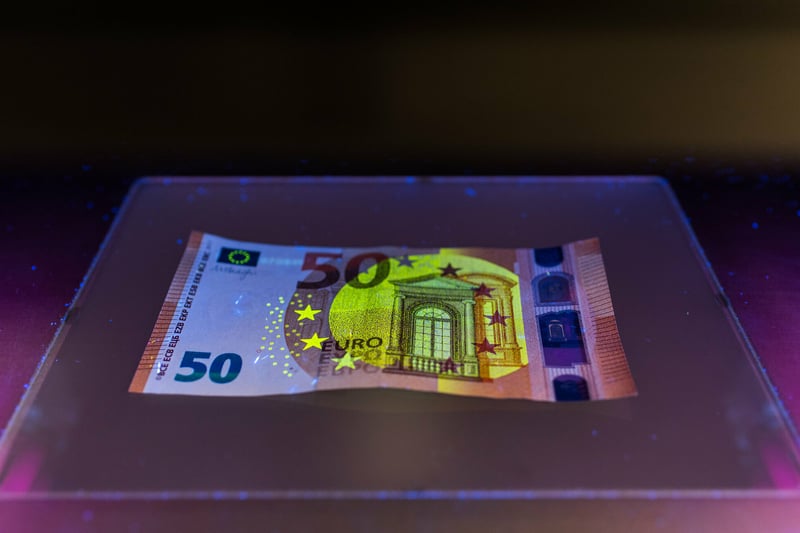
- Usage UV Light: Many currencies contain unnoticeable components that just become visible under ultraviolet light.
The Ethical Considerations
The act of ordering counterfeit money raises vital ethical concerns. Individuals taking part in this habits requirement to review the more comprehensive impact of their actions. Counterfeiting undermines the stability of the monetary system, impacts transactions' dependability, and can lead to increased rates and trouble for customers.
While the allure of counterfeit money may appear luring to some, the dangers and consequences far exceed any possible short-term gains. The legal ramifications can ravage a person's life, while the wider implications affect the economy and society as a whole. Understanding the truths and ethical factors to consider surrounding counterfeit currency is vital for making notified choices.
FAQs
Q: What should I do if I receive counterfeit money?A: If you think you have gotten counterfeit money, do not try to utilize it. Instead, report it to your local police or the suitable financial authorities.
Q: How can businesses secure themselves against counterfeit currency?A: Businesses can educate employees on acknowledging counterfeit currency, usage counterfeit detection gadgets, and stay notified about the current security functions of genuine currency.
Q: Are there legal options to counterfeit money?A: Yes, people looking for monetary assistance can think about legal alternatives such as loans, grants, or neighborhood resources rather than resorting to illegal activities.
Q: What happens if somebody mistakenly invests counterfeit money?A: If captured, the individual might face legal consequences, and they might not have the ability to recuperate the value of the counterfeit currency. Constantly report the event to law enforcement.
In summary, the practice of ordering counterfeit money positions significant legal, financial, and ethical threats. The very best technique stays within the boundaries of legality, protecting the integrity of the financial system and contributing positively to society.